
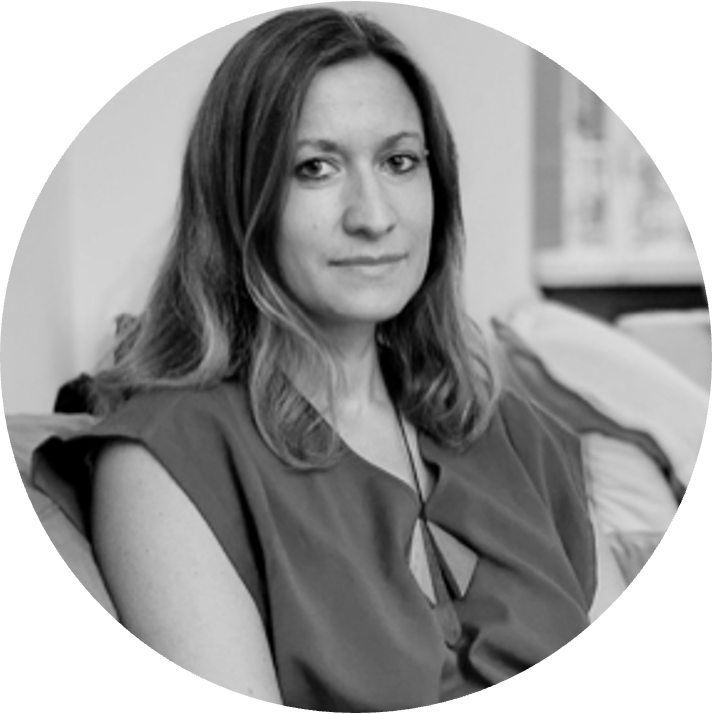
Caterina Mauri is an associate professor at the University of Bologna. She coordinated the project 'LEAdhoC - Linguistic expression of ad hoc categories' (2015-2019, SIR n. RBSI14IIG0), within which she conceived the KIParla corpus. She is currently coordinating the project 'DiverSIta - Diversity in Spoken Italian' (2023-2025, PRIN 2022 PNRR no. P2022RFR8T), which has among its main objectives precisely the expansion of the KIParla corpus. She works on spoken language, linguistic typology, semantics/pragmatics and language change. In recent years she has been working with a converging evidence methodology, which integrates the study of cross-linguistic variation, based on large samples of languages, with the study of intra-linguistic variation, based on the analysis of mostly spoken language corpora, in light of a theoretical view that sees grammar emerging from discourse.
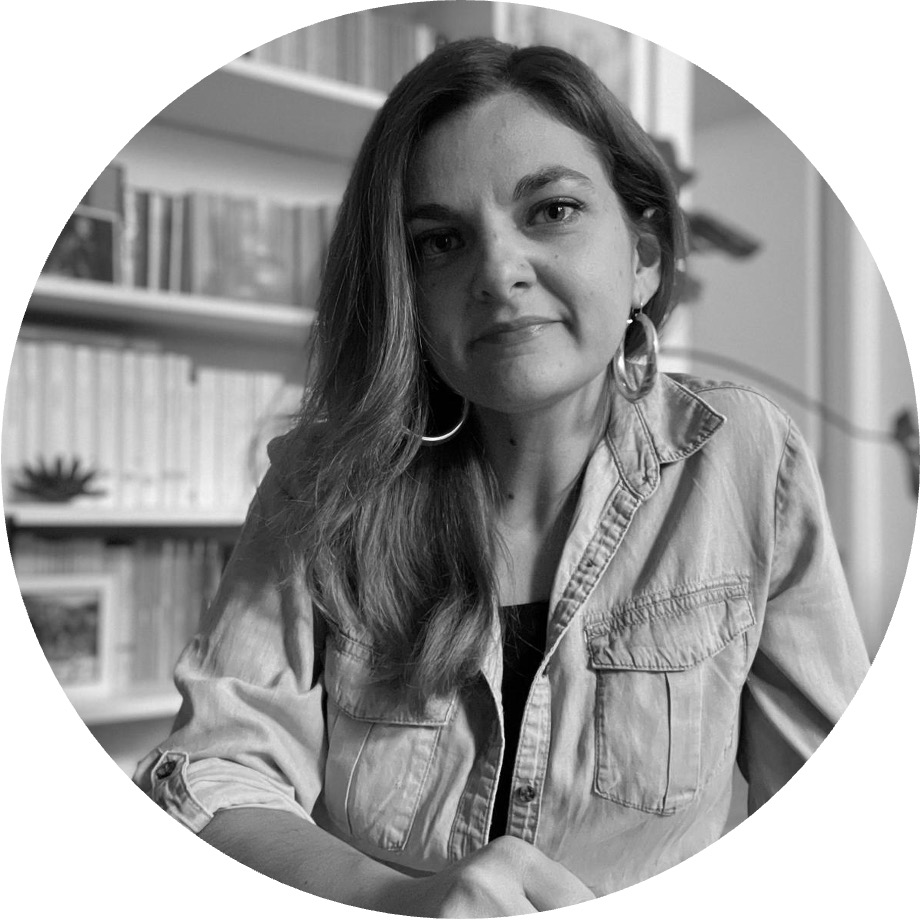
Silvia Ballarèisa tenure-track researcher at the University of Bologna. Her research focuses on the sociolinguistics of Italian and the relationship between inter- and intralinguistic variation. She earned her Ph.D. in Linguistic Sciences from the Universities of Bergamo and Pavia in 2019 with a dissertation on negation strategies. Between 2019 and 2020, she worked as a research fellow at the University of Turin on the creation of the ParlaTO corpus. Since 2020, she has been a research fellow at the University of Bologna, working on the UniverS-Ita project , and is now a researcher at the same university.
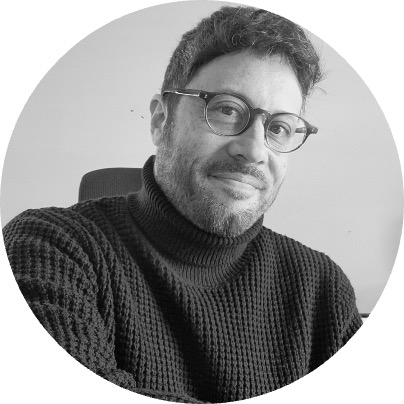
Massimo Cerruti is a full professor at the University of Turin. He served as an Assistant of Italian Linguistics and subsequently as an Adjunct Professor at the University of Bern. He coordinated the ParlaTO research project – Multilingual Corpus of Spoken Turin Italian, funded by the CRT Foundation (2019-2020). His research primarily focuses on the sociolinguistic variation of Italian, with particular reference to morphosyntactic phenomena, and on the structural aspects of contact between Italian and dialects, also from a theoretical perspective.
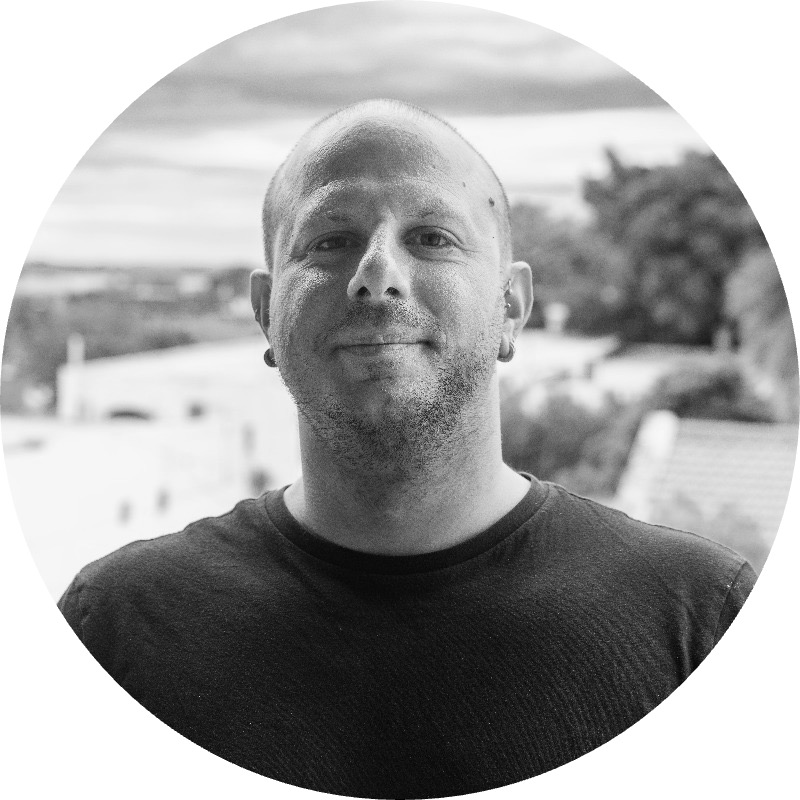
Eugenio Goria is a junior assistant professor at the University of Turin. His research areas are historical linguistics and contact linguistics; lately, he has been working on linguistic documentation in some communities of Piedmontese origin in Argentina. He received his PhD in Linguistics from the University of Pavia in 2015 with a thesis on bilingual speech in Gibraltar. From 2016 to 2018 he worked at the University of Bologna on the creation of the KIP corpus, coordinating the corpus design and data collection phases.
Ludovica Pannitto is NLP Lab Manager at the Experimental Laboratory of the Department of Modern Languages, Literatures and Cultures, University of Bologna. She obtained her PhD at CIMeC – University of Trento, under the supervision of Aurélie Herbelot. Ludovica coordinates the computational developments of the KIParla corpus.
On the pages dedicated to the modules comprising the KIParla, you will find the names of all individuals contributing to the corpus's development.
The technical and IT support that made it possible to access the corpus via the No Sketch Engine interface was provided by Matteo Pascoli, an IT specialist in the Department of Classical and Italian Philology (FICLIT) at the University of Bologna;
We also extend our gratitude for the collaboration of Anna Pierantoni (LILEC IT technician) and Francesco Suriano (software developer, former student of the University of Bologna).
If you have any questions or would like to collaborate with us, please contact the coordinators at their institutional email addresses.